


New Delhi, Aug 23 — India is staring at a major health emergency, with non-communicable diseases (NCDs) such as diabetes, heart disease, and cancer surging at alarming levels, a group of Padma awardee doctors has cautioned.
At a recent session hosted by Pacific OneHealth, the experts said that unless urgent preventive and regulatory measures are adopted, India could soon be overwhelmed by an NCD epidemic.
Padma Shri Dr DS Rana, Chairman, Board of Trustees, Sir Ganga Ram Hospital, called for equitable access and ethical healthcare reforms.
“Our ultimate goal should be universal healthcare. Disparities persist despite progress. Strong ethical practices and regulatory courage in drug pricing and hospital costs are crucial,” he said.
On the rising burden of heart disease, Padma Shri Dr Praveen Chandra, Chairman of Interventional and Structural Heart Cardiology, Medanta, highlighted the urgency of timely care.
“The heart is the common pathway for multiple diseases. Emergency angioplasty within the golden hour can save countless lives, and advanced cardiac interventions are now possible even for patients in their 80s and 90s,” he said, while stressing preventive health.
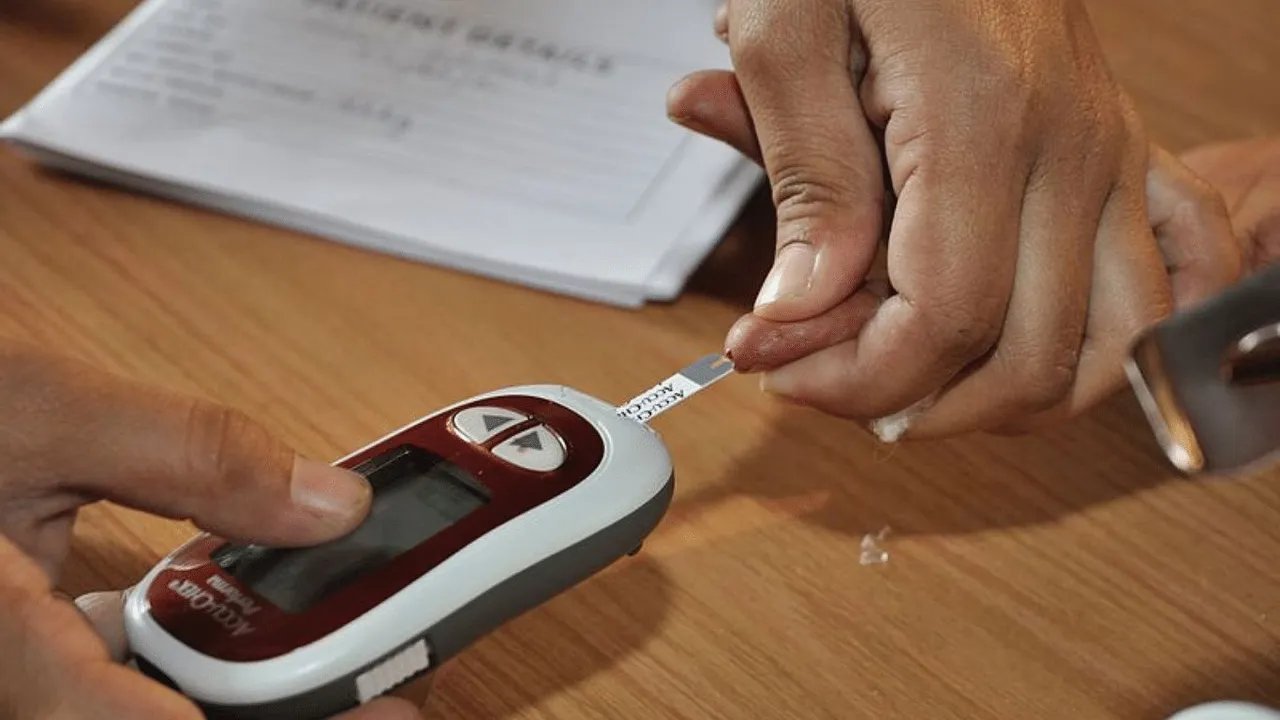
Padma Shri Dr Anoop Misra, leading endocrinologist and diabetologist, sounded alarm over Delhi’s growing diabetes crisis.
“One in three Delhi residents is diabetic, with another 30% pre-diabetic. This is nothing to be proud of. Prevention and early control are critical. Drugs like Ozempic may help, but lifestyle change and awareness remain the strongest tools,” said Dr Misra, Chairman of Fortis C-DOC Hospital for Diabetes.
Padma Shri Dr Mohsin Wali, Senior Consultant at Sir Ganga Ram Hospital, said trust-based models must drive care.
“Our hospital’s non-profit model embodies the motto ‘Healthcare As It Should Be.’ By adopting such approaches, we can effectively address the growing NCD burden,” he noted.
Dr Swadeep Srivastava, President and Co-Founder, Pacific OneHealth, underlined the need for systemic transformation.
“Healthcare must evolve from a privilege to a promise, rooted in ethics, powered by innovation, and centred on the patient. The future lies in bridging preventive, primary, and tertiary care seamlessly,” he said.
The experts concluded that while India has made strides in medical technology and advanced treatments, the unchecked rise of lifestyle diseases and lack of preventive screening are pushing the country towards a looming health crisis.

