

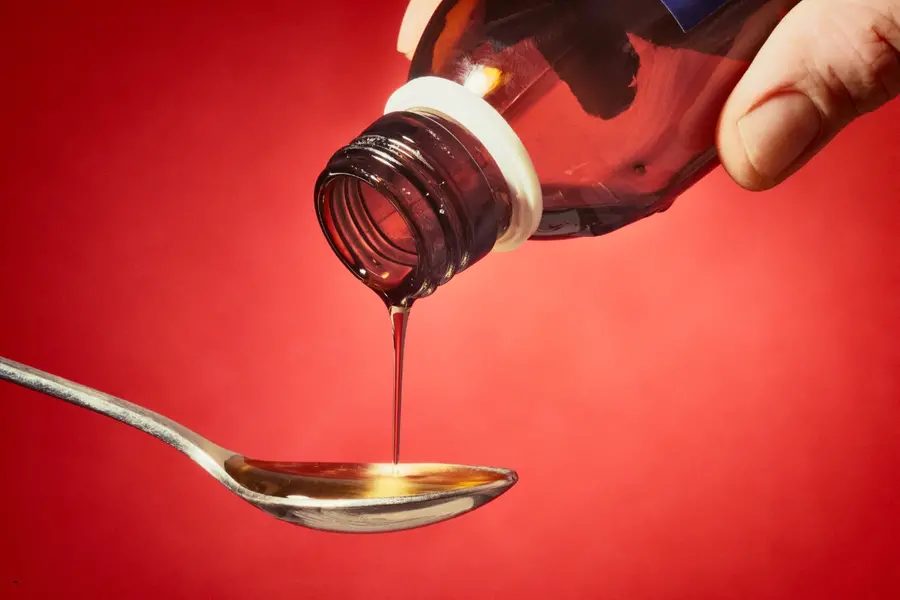
New Delhi, Dec 2: The government on Tuesday informed the Rajya Sabha that over 700 cough syrup manufacturers across the country have undergone intense audits, and market surveillance of syrup formulations has been increased following reports of child deaths allegedly linked to contaminated cough syrups.
Minister of State for Health Anupriya Patel, in a written reply, said that after reports of multiple child deaths in Chhindwara, Madhya Pradesh, a central team of experts visited Chhindwara and Nagpur for a detailed investigation. The team included an epidemiologist, a microbiologist, an entomologist, and drug inspectors from national health and drug regulatory bodies.
Nineteen drug samples allegedly consumed by the affected children were collected from private practitioners and nearby retail shops. Chemical analysis showed that 15 samples were of standard quality, while four were declared not of standard quality.
One of the syrups, Coldrif, manufactured by Sresan Pharmaceutical in Kancheepuram, Tamil Nadu, contained 46.28 percent Diethylene Glycol (DEG), a toxic substance. The syrup was reportedly consumed by the deceased children.
During inspection, several major violations of good manufacturing practices were found at Sresan Pharmaceuticals, including unhygienic storage conditions. The Central Drugs Standard Control Organisation (CDSCO) recommended criminal action, and the Tamil Nadu state drugs controller cancelled the company’s manufacturing licence.
States including Madhya Pradesh, Tamil Nadu, Odisha, and Puducherry issued immediate bans and recalled the affected cough syrup batches. A criminal case has also been registered in Madhya Pradesh, resulting in arrests.
The Centre has issued multiple advisories to states and Union territories to ensure the rational use of paediatric cough syrups, enhance testing protocols, and maintain strict vigilance against spurious or substandard drugs.
As part of strengthened regulations, the Indian Pharmacopoeia Commission has amended the Indian Pharmacopoeia 2022 to mandate testing for Diethylene Glycol (DEG) and Ethylene Glycol (EG) in all oral liquid medicines at the final product stage before they are released into the market.

